
Find Your Photography Style
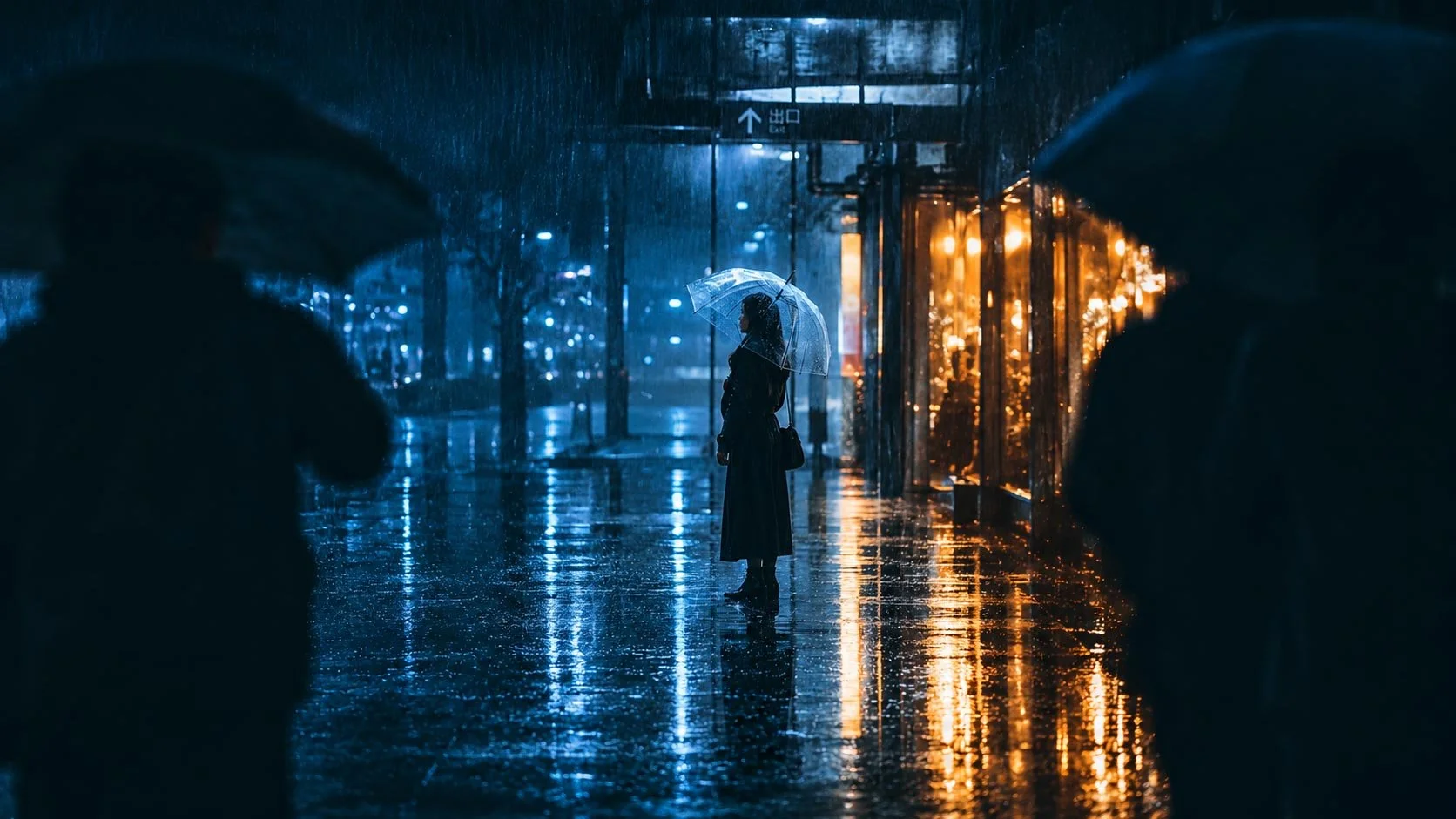
Most people know the kind of photography they like when they see it, but putting a name to that style can be much harder.
Understanding the differences between editorial, documentary, cinematic, minimalist and other photography styles can make it easier to brief a photographer, plan a shoot and choose a direction that feels right for your brand.
This guide breaks down some of the most useful photography styles, what they look like and where they tend to work best.
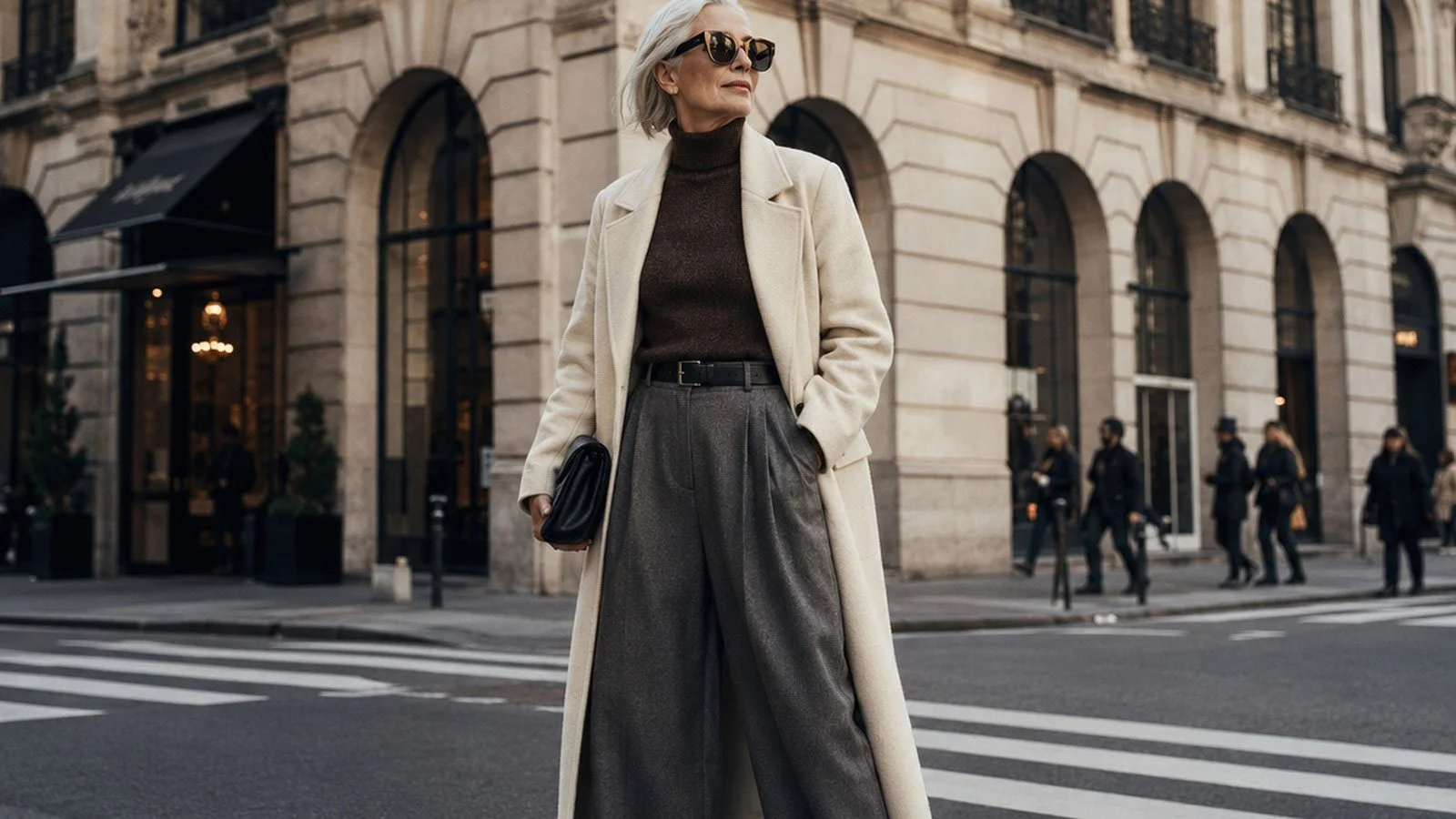
Editorial Photography
Editorial photography is polished, considered and carefully art-directed. Every element — from the styling and location to the pose and composition — is chosen to help tell a story.
It works particularly well for premium brands, campaigns, magazines and thought leadership, where the aim is to create something distinctive and aspirational.
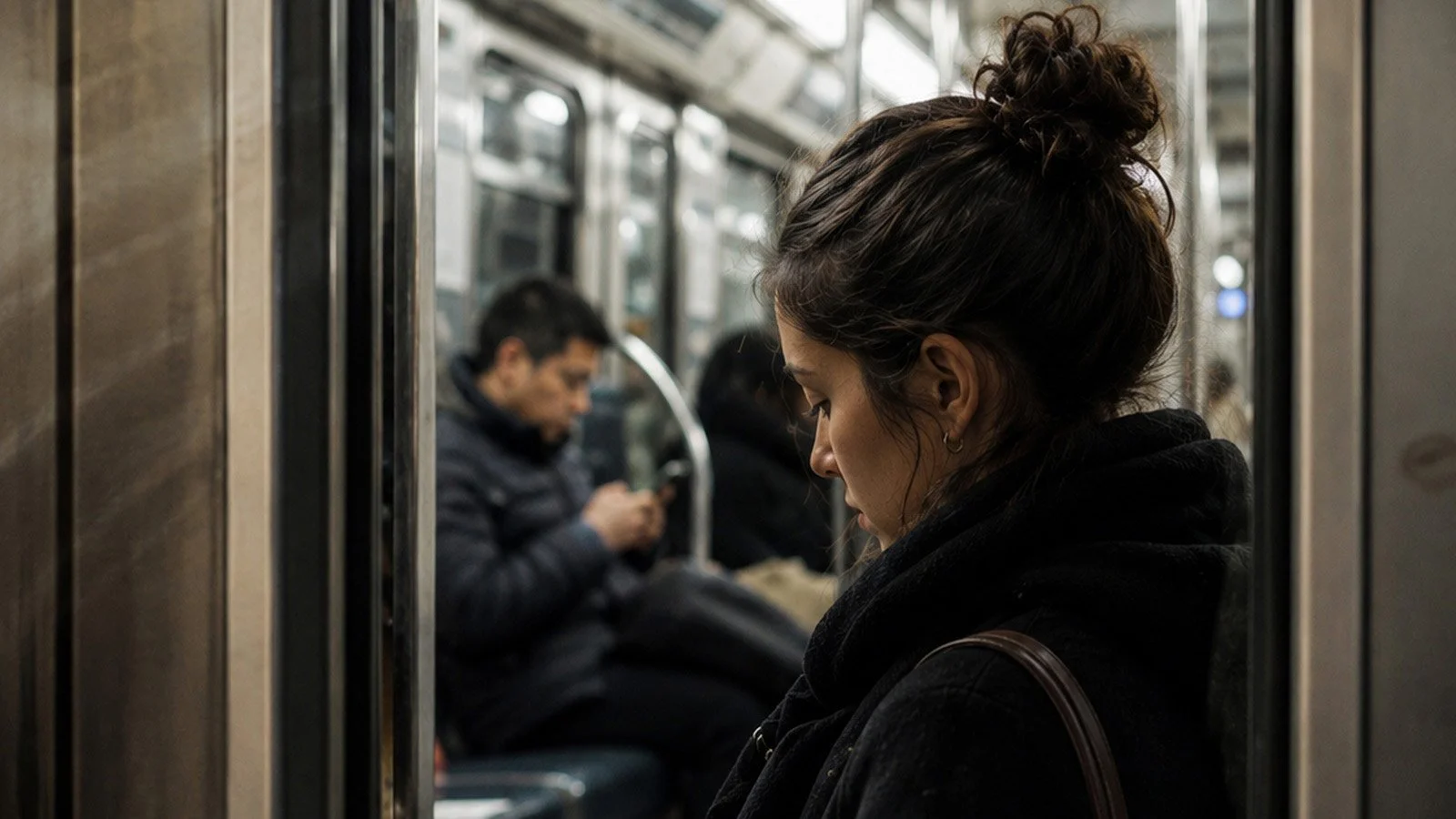
Documentary Photography
Documentary photography captures real people and genuine moments as they naturally happen. Rather than directing every detail, the photographer observes and records the story unfolding in front of them.
It is ideal for showing behind the scenes, documenting a process and helping a brand feel more honest, human and trustworthy.

Lifestyle Photography
Lifestyle photography places people, products or services within believable everyday situations. The images may be carefully planned, but they are designed to feel relaxed, natural and relatable.
This style is great for helping customers imagine a product or service becoming part of their own lives.

Cinematic Photography
Cinematic photography uses dramatic lighting, rich tones and film-inspired compositions to create atmosphere. The images often feel like a still taken from a much bigger story.
It is particularly effective for brands that want to create emotion, intrigue or a strong visual identity that feels memorable and immersive.
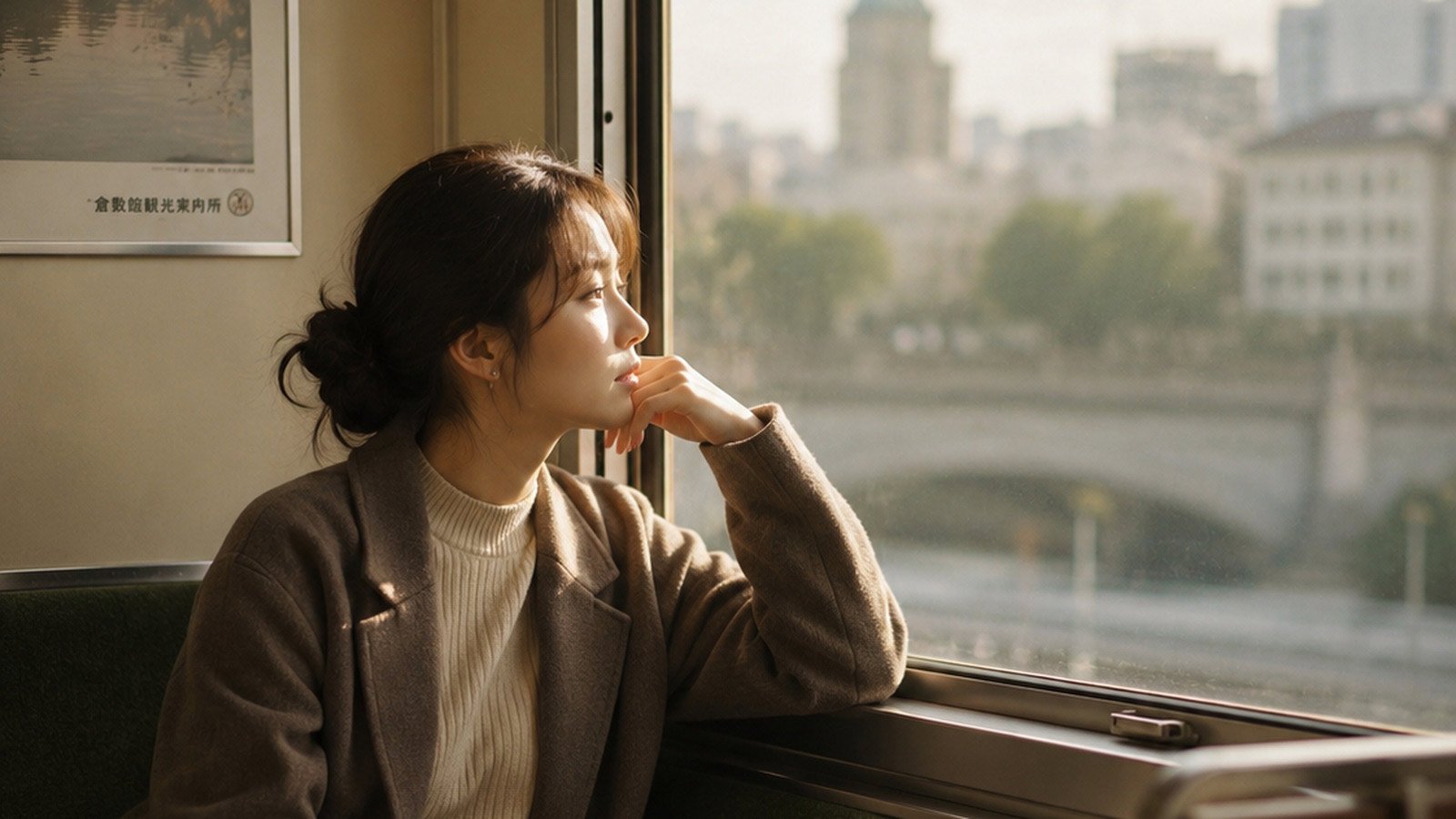
Fine Art Photography
Fine art photography is expressive, carefully composed and guided by the photographer’s artistic point of view. Its purpose is not always to document something literally, but to create a particular feeling or interpretation.
It suits luxury, cultural and creative brands that want their photography to feel thoughtful, distinctive and visually refined.
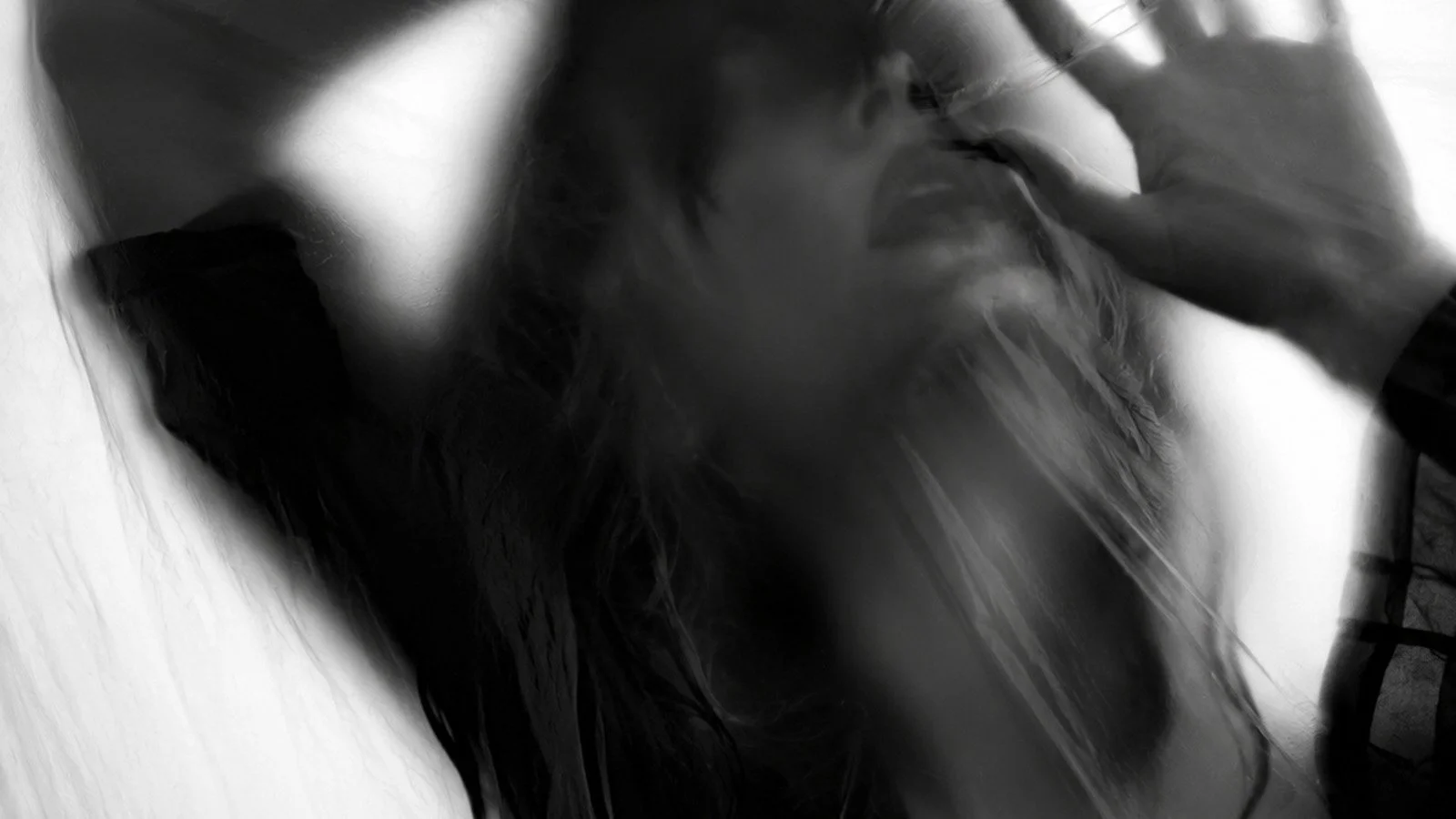
Conceptual Photography
Conceptual photography is built around an idea. It uses symbolism, unusual materials, experimental compositions or visual metaphors to communicate something beyond what is immediately shown.
This style works well for advertising campaigns, thought-provoking content and brands that need to express a more complex message creatively.
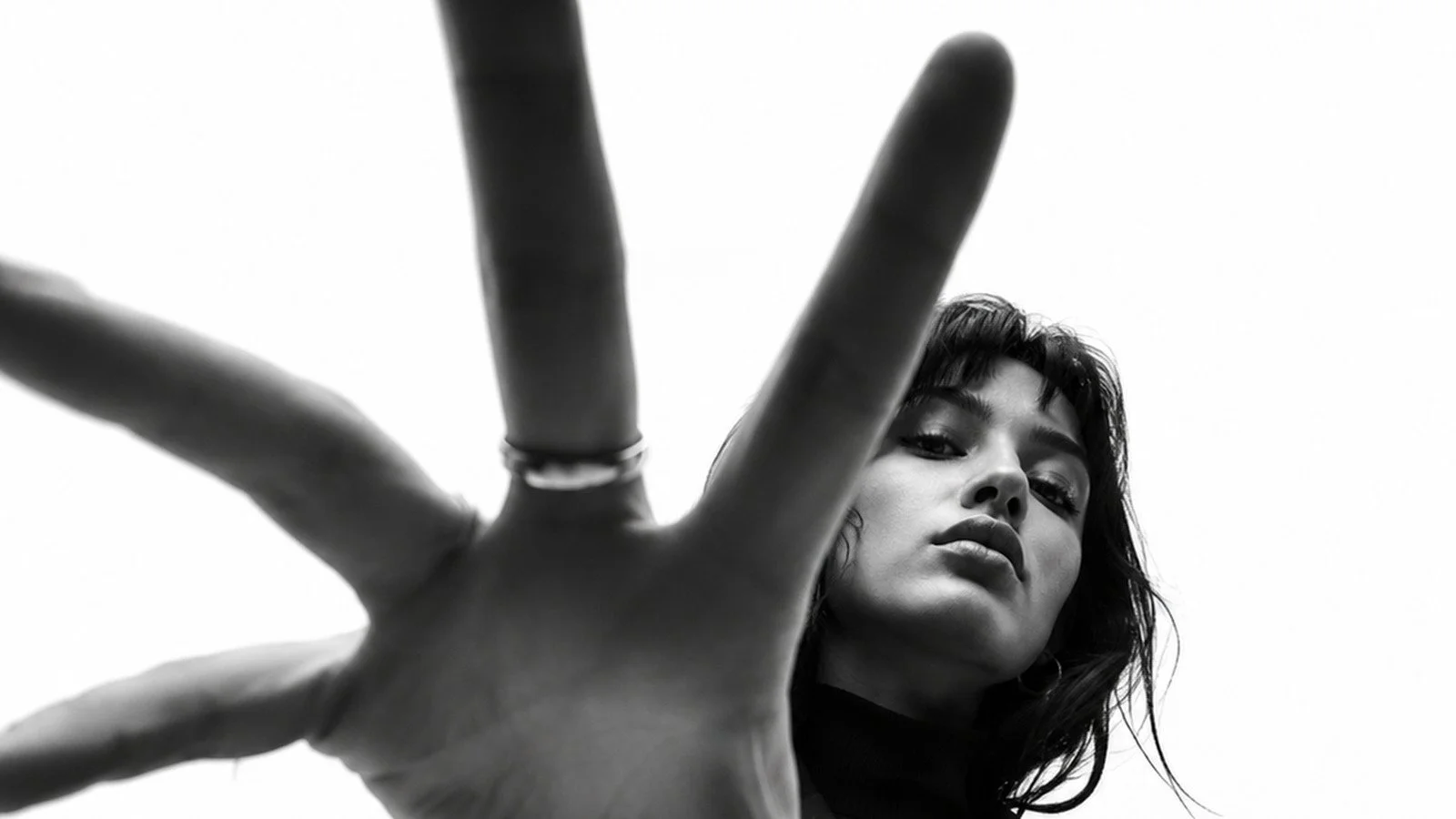
Minimalist Photography
Minimalist photography strips the image back to its essential elements. Clean compositions, limited detail and generous negative space allow the subject to make a stronger impact.
It is a natural fit for modern, premium and design-led brands that value simplicity, confidence and clarity.
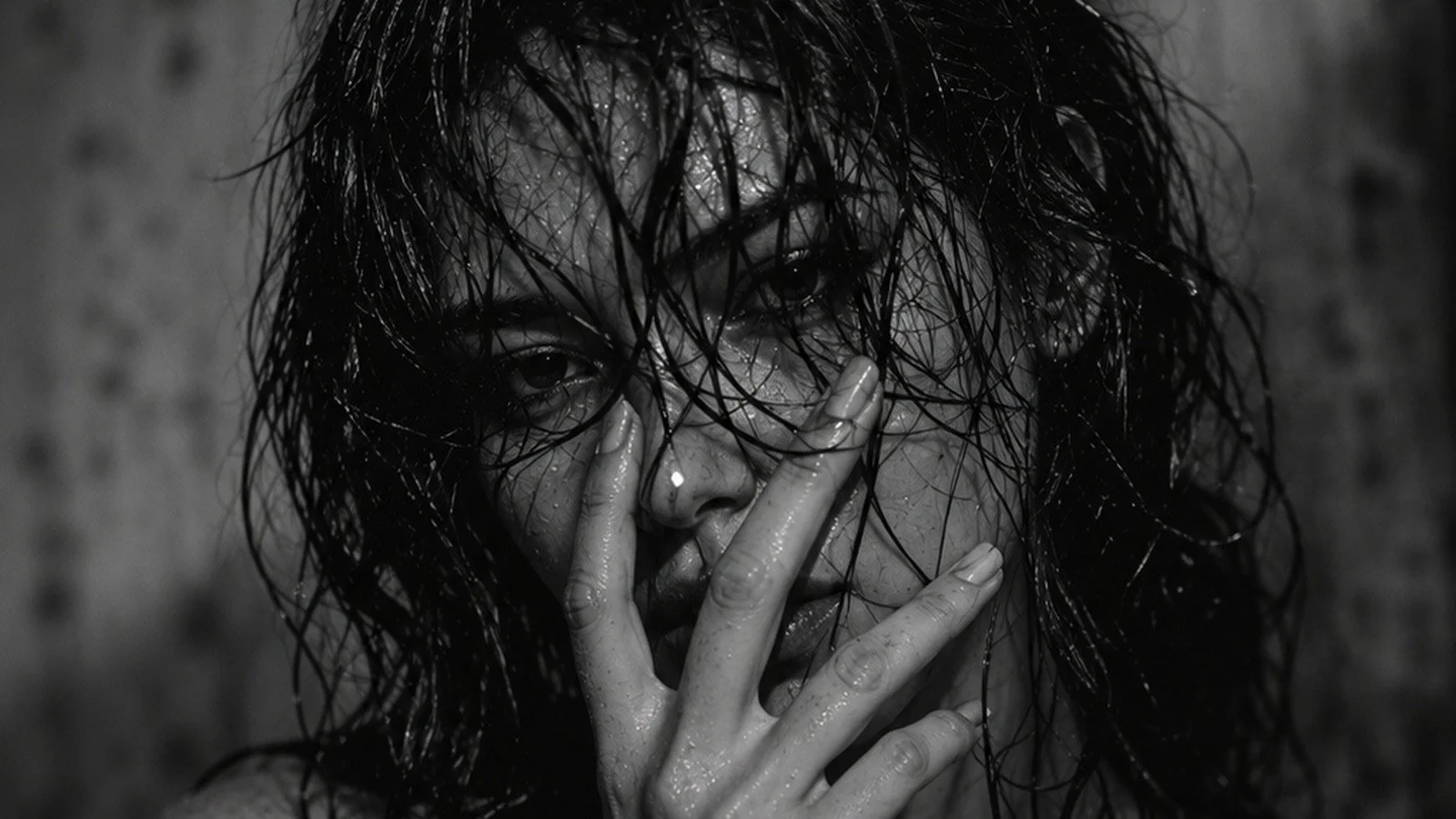
Raw and Gritty Photography
Raw and gritty photography deliberately embraces texture, contrast and imperfection. Harsh light, visible grain, movement and unpolished environments can all help the image feel more immediate and emotionally charged.
It works especially well for independent, industrial, rebellious or craft-led brands that want to communicate honesty, character and attitude.
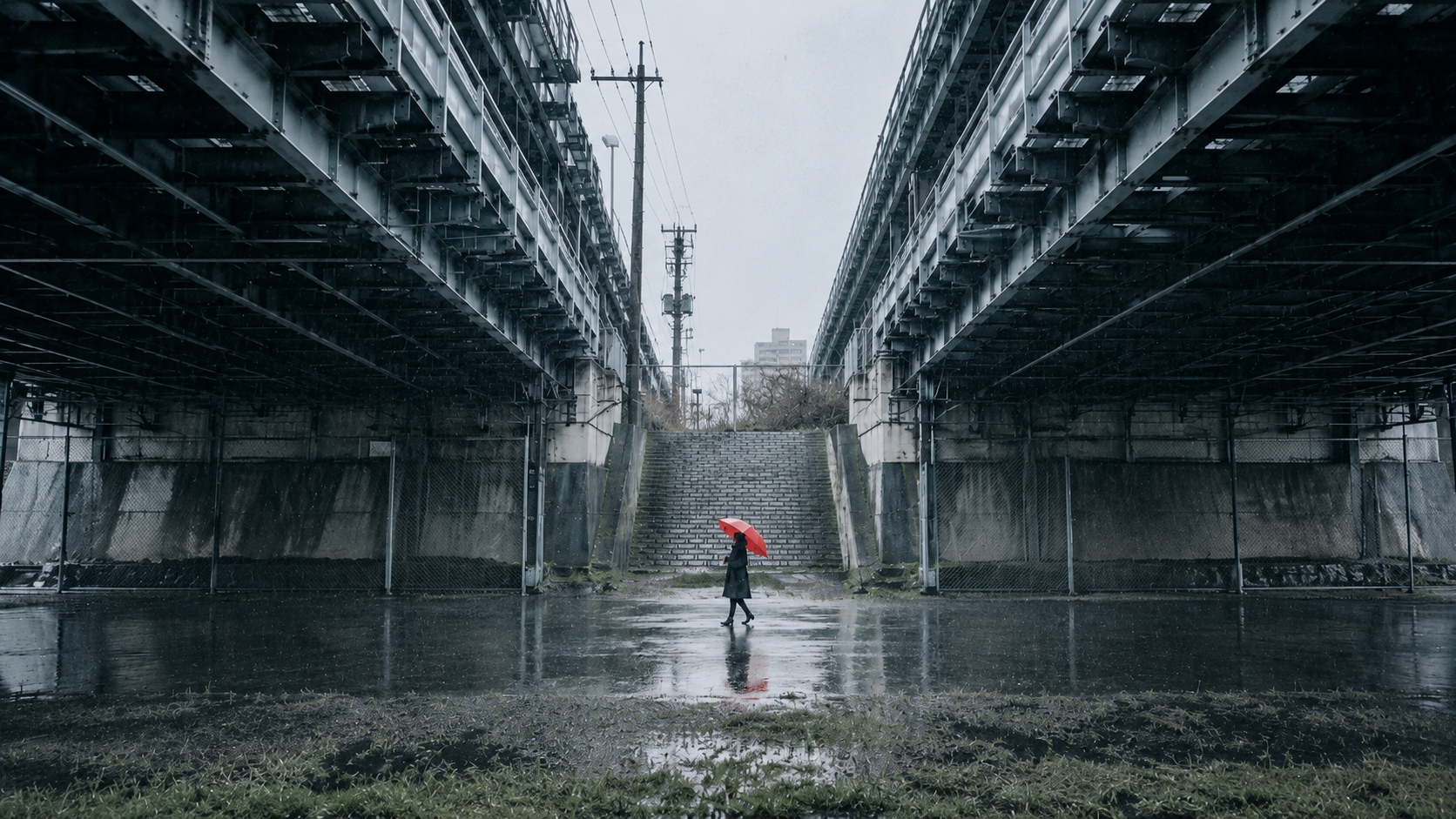
Finding the Right Style for Your Brand
Photography styles are not rigid boxes. An image can feel both documentary and cinematic, or combine editorial direction with a raw and gritty finish.
The best choice is not simply the style you find most attractive. It should reflect your brand’s personality, connect with the right audience and support how you want the business to be perceived.
Frequently Asked Questions About Brand Photography Styles
What is brand photography?
Brand photography is a collection of images created to represent a business consistently. It helps communicate the brand’s personality, values, products, people and overall visual style.
Why does photography style matter for a brand?
Photography style affects how people perceive a brand. The lighting, composition, colour and subject matter can make a business feel premium, approachable, creative, trustworthy, energetic or rebellious.
How do I choose the right photography style for my brand?
Start by considering how you want your audience to feel and what you want the images to communicate. The right style should support your brand personality, appeal to your customers and work across your website, social media and marketing.
Can a brand use more than one photography style?
Yes. Photography styles often overlap, and many brands combine two or more approaches. For example, a brand might use documentary photography behind the scenes and editorial photography for larger campaigns.
What is the difference between editorial and lifestyle photography?
Editorial photography is usually more polished, styled and carefully art-directed. Lifestyle photography is designed to feel natural and relatable, showing people, products or services within believable everyday situations.
What is the difference between documentary and cinematic photography?
Documentary photography captures genuine moments as they happen, with minimal direction. Cinematic photography is usually more deliberately composed, using dramatic lighting, colour and atmosphere to create an emotional, film-like result.
Which photography style is best for a premium brand?
Editorial, fine art, cinematic and minimalist photography often suit premium brands. The best choice depends on whether the brand wants to feel polished, expressive, atmospheric or clean and understated.
Which photography style feels the most authentic?
Documentary photography often feels the most authentic because it focuses on real people, natural interactions and genuine moments. Lifestyle photography can also feel authentic when the setting and direction remain believable.
Should brand photography match the rest of the visual identity?
Yes. Photography should feel like part of the same brand as the logo, colours, typography, website and written tone. A consistent visual direction helps the brand feel more recognisable and professional.
How often should a business update its brand photography?
Most businesses benefit from refreshing their photography when the brand changes, new products or services launch, the team grows or the existing images no longer represent the business accurately.
Do small businesses need professional brand photography?
Professional photography can help small businesses appear more established, consistent and trustworthy. It also provides a useful bank of original content for websites, social media, advertising and printed marketing.
What should I include in a photography brief?
A strong photography brief should explain the brand, target audience, desired style, mood, locations, shot list, image formats and where the photographs will be used. Including visual references can help communicate the direction clearly.
NEED OUR HELP?
Whether it's Branding, Design, Websites, Photography, Video, Print or Social Media, we can help you make an impact.