
Sony Read the Data. But Did It Read the Room?
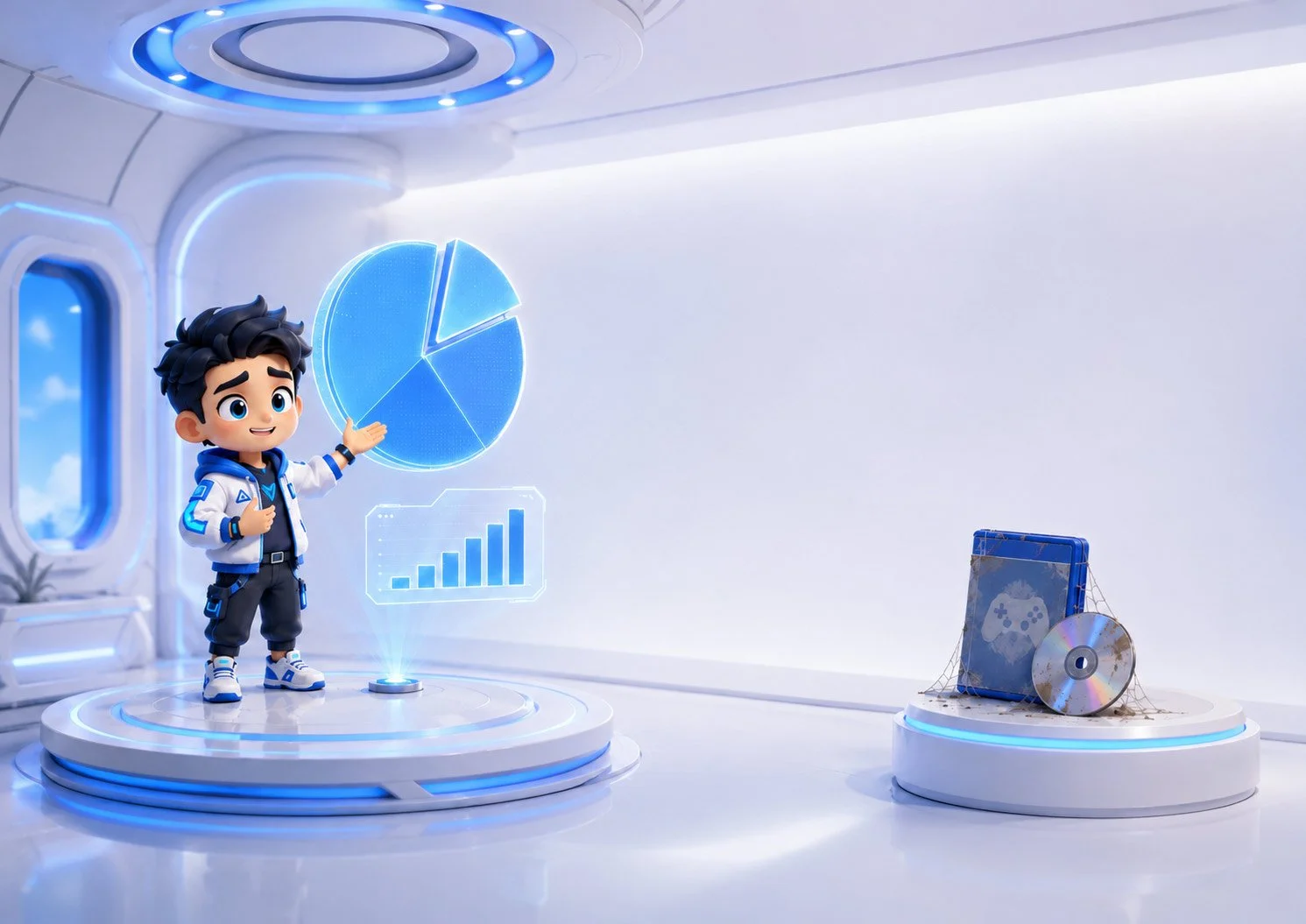
Sony has announced that it plans to stop producing physical discs for new PlayStation games from 2028.
The decision has been presented as a response to changing consumer habits. With around 80% of Sony’s full-game sales already digital, continuing to manufacture, package and distribute physical games may no longer look worthwhile.
On the spreadsheet, it probably makes perfect sense.
Unfortunately, spreadsheets don’t have feelings.

The Numbers Said Digital
More people are downloading games than buying discs.
Digital purchases are immediate, convenient and allow Sony to sell directly through the PlayStation Store without manufacturing stock, printing cases or distributing products through physical retailers.
When you look at the figures alone, the conclusion appears obvious:
Customers are buying digitally, so customers must prefer digital.
But data can only tell you what customers did. It cannot always tell you why they did it, what alternatives they still value or how they would feel if those alternatives disappeared completely.
The Audience Said Something Else
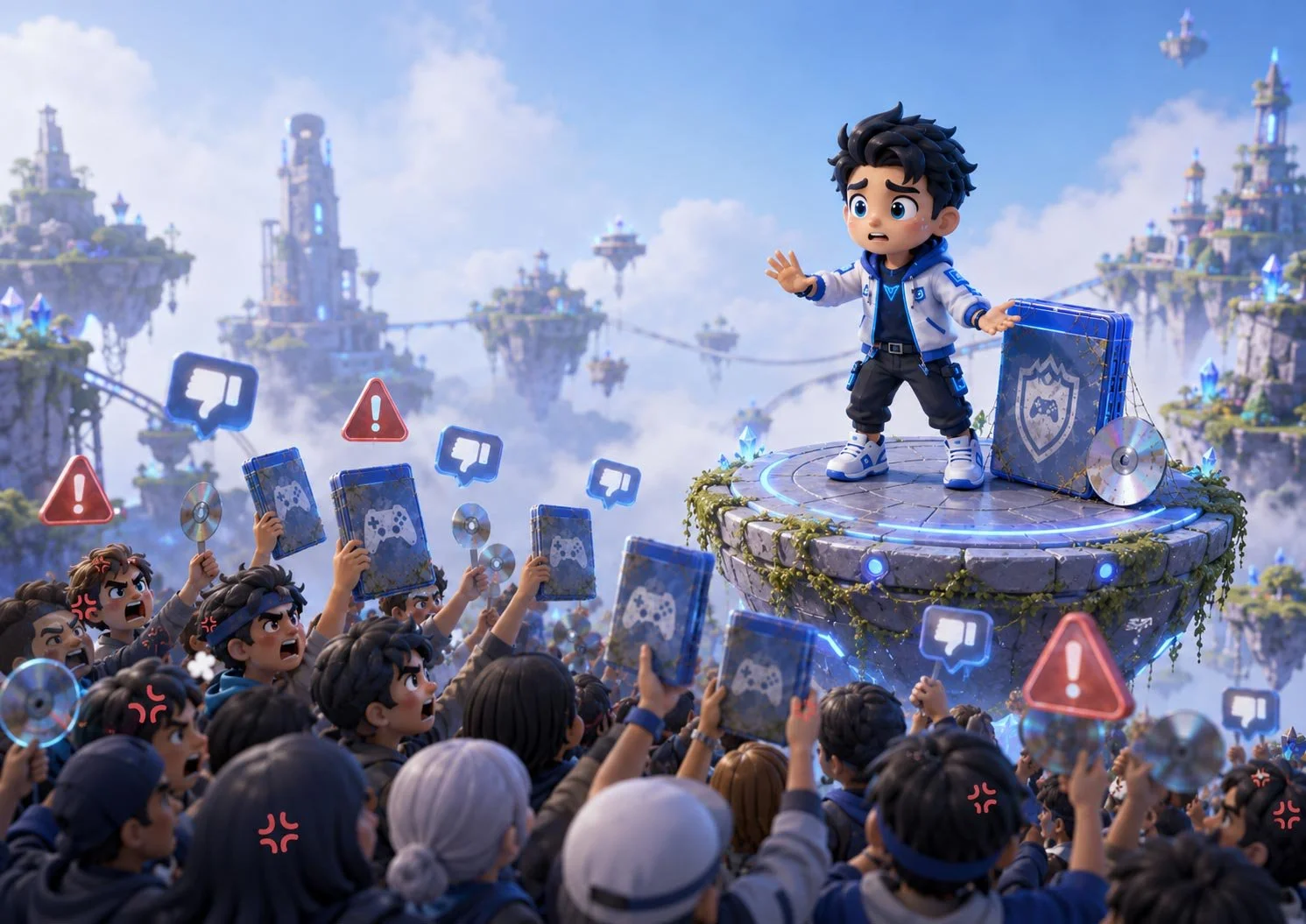
The announcement was quickly met with a considerable backlash.
Gamers criticised the decision across social media, petitions were created and many customers argued that physical games represent far more than an inconvenient plastic disc.
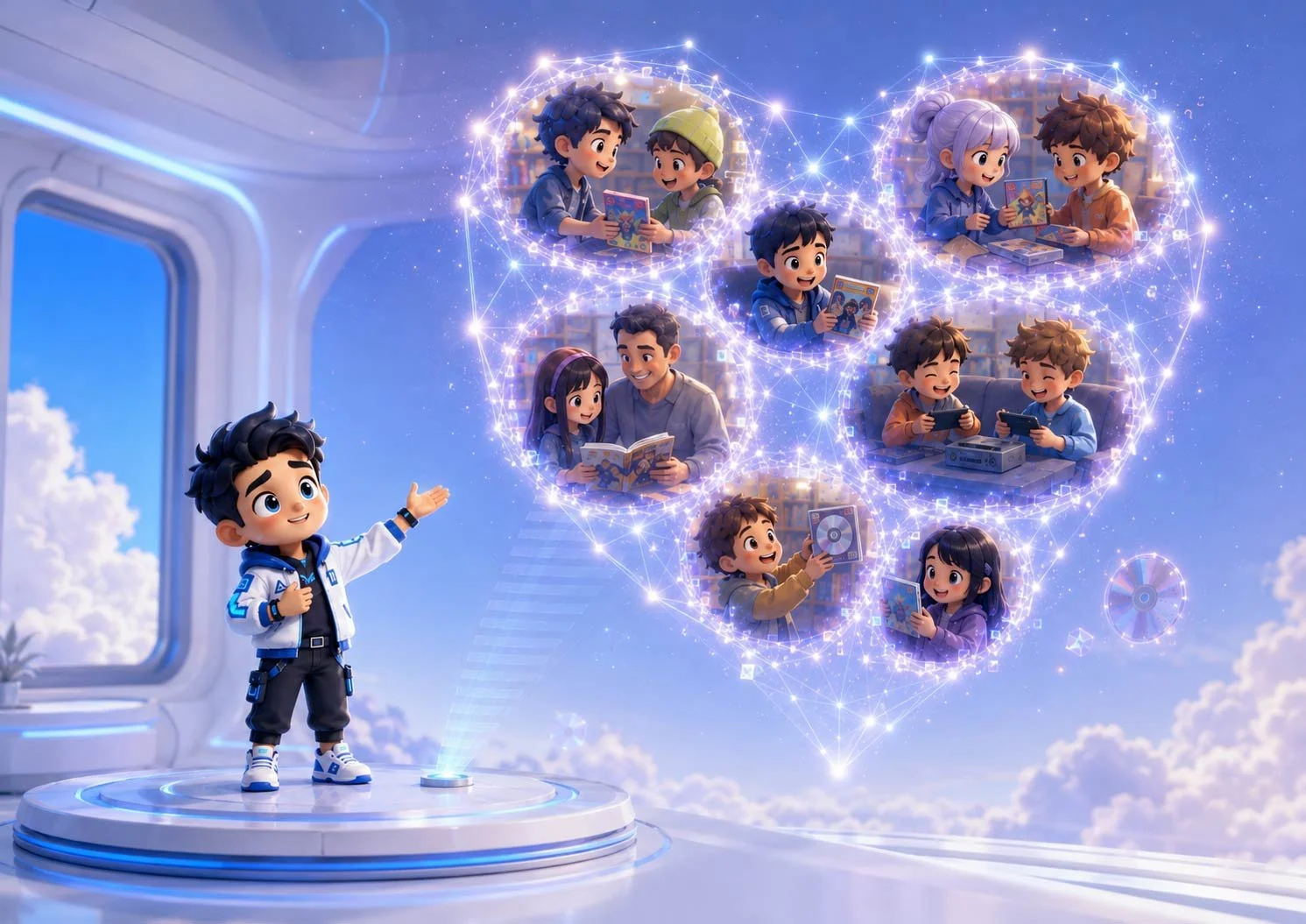
They represent ownership.
A physical game can be displayed, collected, gifted, lent to a friend or sold when it is no longer wanted. It can also be purchased second-hand or found more cheaply through competing retailers.
Sony may have looked at the decline in disc purchases and concluded that physical media was becoming irrelevant.
Its audience appears to be saying something slightly different:
“We might buy digitally, but we still want the choice.”

Behaviour Isn’t Always Preference
This is the important distinction for any business.
Customer behaviour and customer preference are not always the same thing.
Someone might order through an app because it is quicker, while still wanting the option to speak to a real person.
A customer might choose the cheapest package because money is tight, without believing price is the most important part of the service.
People may stop buying a particular product regularly but still see it as an important part of what a brand represents.
Digital games are convenient. That does not automatically mean every digital customer wants physical games removed.
Businesses regularly collect sales figures, clicks, enquiries and conversion data. That information is valuable, but it only shows one part of the picture.
To understand your audience properly, you also need to understand their motivations, emotions and reasons for making those choices.
Otherwise, you risk answering a question your customers never actually asked.
Read the Figures. Then Read the Room.
Sony’s decision may still prove commercially successful.
Digital sales could continue growing, costs may fall and future players might accept physical games disappearing.
But the backlash demonstrates the danger of treating an audience as nothing more than a collection of percentages.
Strong brands understand what their products and services mean to people, not just how frequently they purchase them.
Before removing an option, changing an established service or abandoning something that appears less profitable, businesses should ask:
Why has customer behaviour changed?
What does this option represent to our audience?
Would customers miss it if it disappeared?
Are we removing something that creates trust, loyalty or distinction?
Data should inform a decision, but it should not make the decision alone.
Because sometimes the spreadsheet says yes…
…and the audience says absolutely not.
Frequently Asked Questions
Why is Sony ending physical PlayStation games?
Sony says the decision reflects the continued shift towards digital game purchases. Producing fewer physical games could also reduce manufacturing, packaging and distribution costs while allowing more sales to take place directly through the PlayStation Store.
Why has Sony’s decision caused such a strong backlash?
Many players believe physical games represent more than a way to access a game. They provide ownership, choice, collectability and the ability to lend, gift, trade or resell a purchase.
Do digital sales prove that customers prefer digital games?
Not necessarily. Digital sales show how customers are currently buying games, but they do not fully explain why they chose that option or whether they still value having a physical alternative.
What is the difference between customer behaviour and customer preference?
Customer behaviour describes what someone does, such as buying a game digitally. Customer preference explains what they value, want or would choose if every option were equally convenient and available.
What branding lesson can businesses learn from Sony’s decision?
The key lesson is that data should inform business decisions without replacing audience understanding. A commercially logical change can still damage trust if it removes something customers consider important to the brand experience.
Why is audience research important when changing a product or service?
Audience research helps businesses understand the motivations and emotions behind customer behaviour. It can reveal whether a less frequently purchased product still contributes to loyalty, trust, differentiation or the perceived value of the brand.
How can a business avoid misreading its customer data?
Businesses should combine quantitative data, such as sales, clicks and conversions, with qualitative insight from interviews, reviews, surveys and customer conversations. This provides a clearer picture of both what customers are doing and why they are doing it.
Are physical games still valuable in a digital market?
Yes. Even as digital purchasing grows, physical games can still offer value through ownership, collecting, gifting, lending, second-hand sales and long-term preservation.
Should businesses always keep unpopular products or services?
No. Some products and services may genuinely need to be removed, but businesses should first understand why demand has changed and what the offering represents to their audience. The decision should consider both commercial performance and potential brand impact.
NEED OUR HELP?
Whether it's Branding, Design, Websites, Photography, Video, Print or Social Media, we can help you make an impact.