When most people think about branding, the first thing that comes to mind is the logo.
And while your logo is important, it’s only one piece of a much bigger picture.
A strong visual identity brings together colour, typography, photography, graphic elements and a consistent design style to create something people can recognise, sometimes without even seeing your logo.
Using our work for Glamstop as an example, here’s what turns a logo into a complete visual identity.
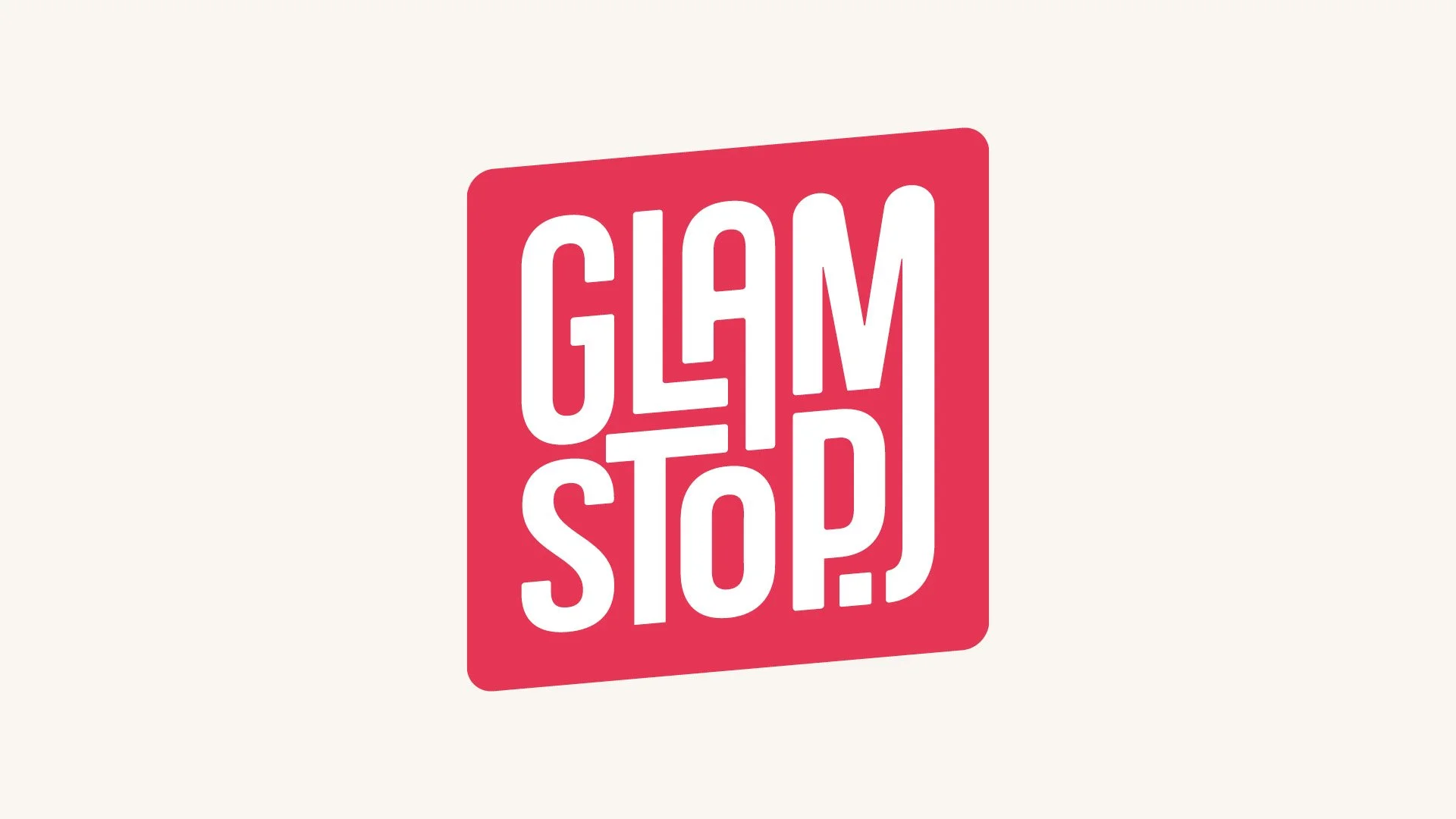
1. The Logo
Your logo is the recognisable face of your identity.
It gives your business something people can identify and remember, while helping establish some of its personality from the outset.
But it can’t do everything.
A logo on its own doesn’t tell you what your social posts should look like, which photographs feel right or how your website, packaging and marketing should all fit together.
That’s where the rest of the visual identity comes in.
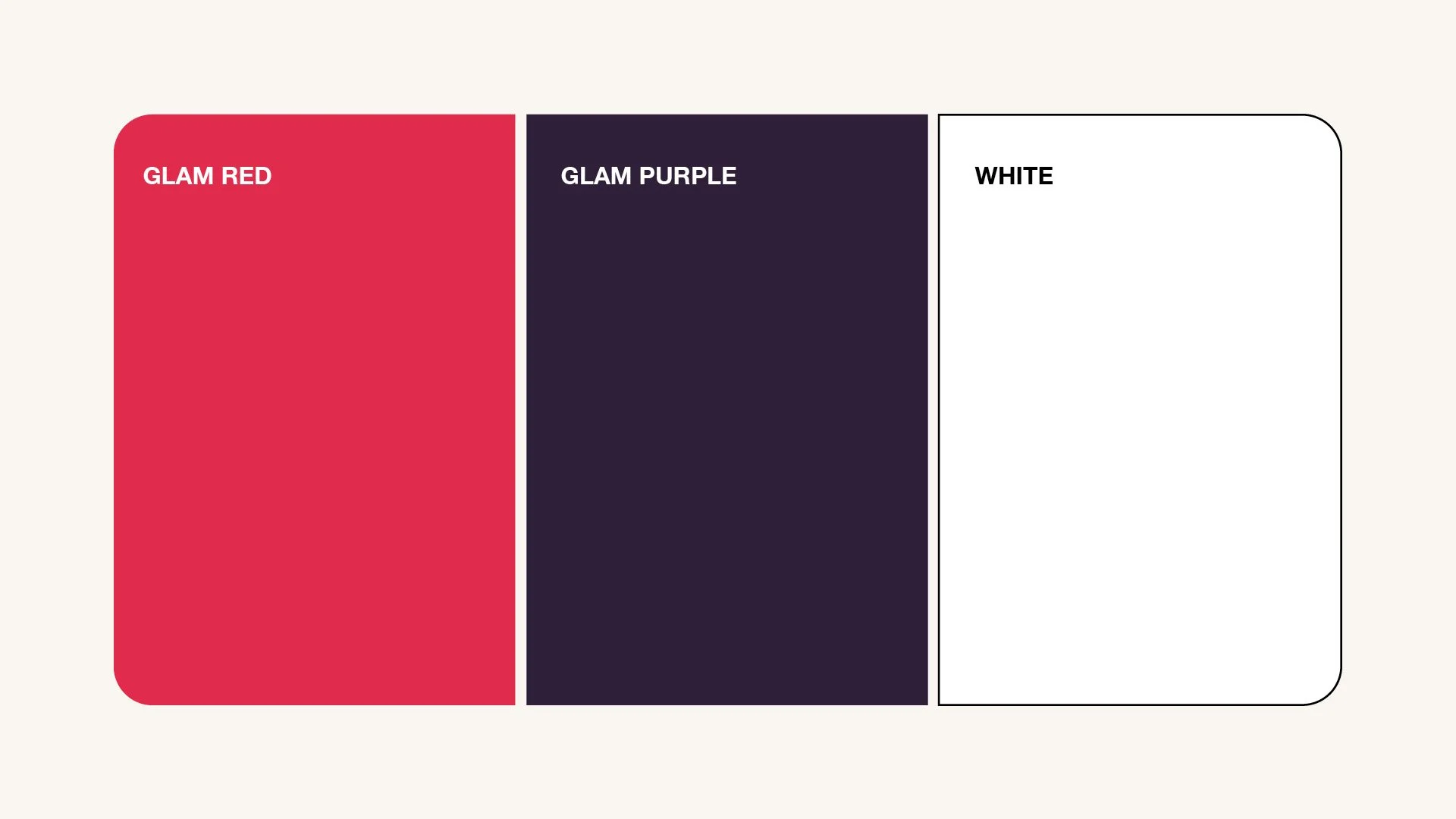
2. Colour
Before someone reads a word, your colours are already saying something.
Different colours can make a business feel bold, calm, playful, premium, energetic or trustworthy.
The important part isn’t simply choosing colours you like. It’s choosing colours that help create the right impression of your business.
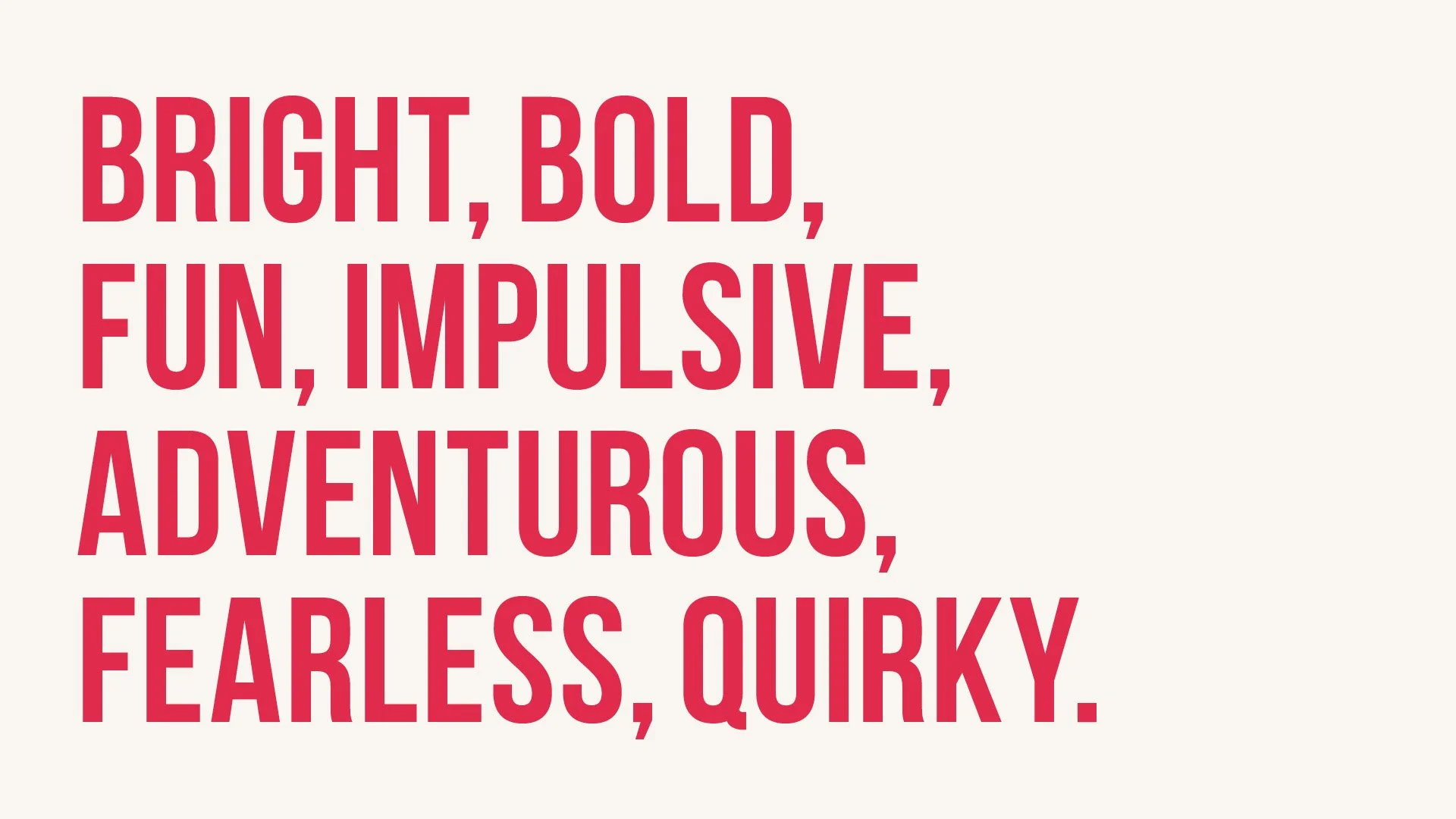
3. Typography
Fonts have personality too.
The typography you choose can make a brand feel refined and sophisticated, bold and rebellious, friendly and approachable or clean and modern.
A good visual identity defines how typography should be used across everything from big campaign headlines to smaller supporting copy.
That consistency helps create a recognisable visual voice for the brand.
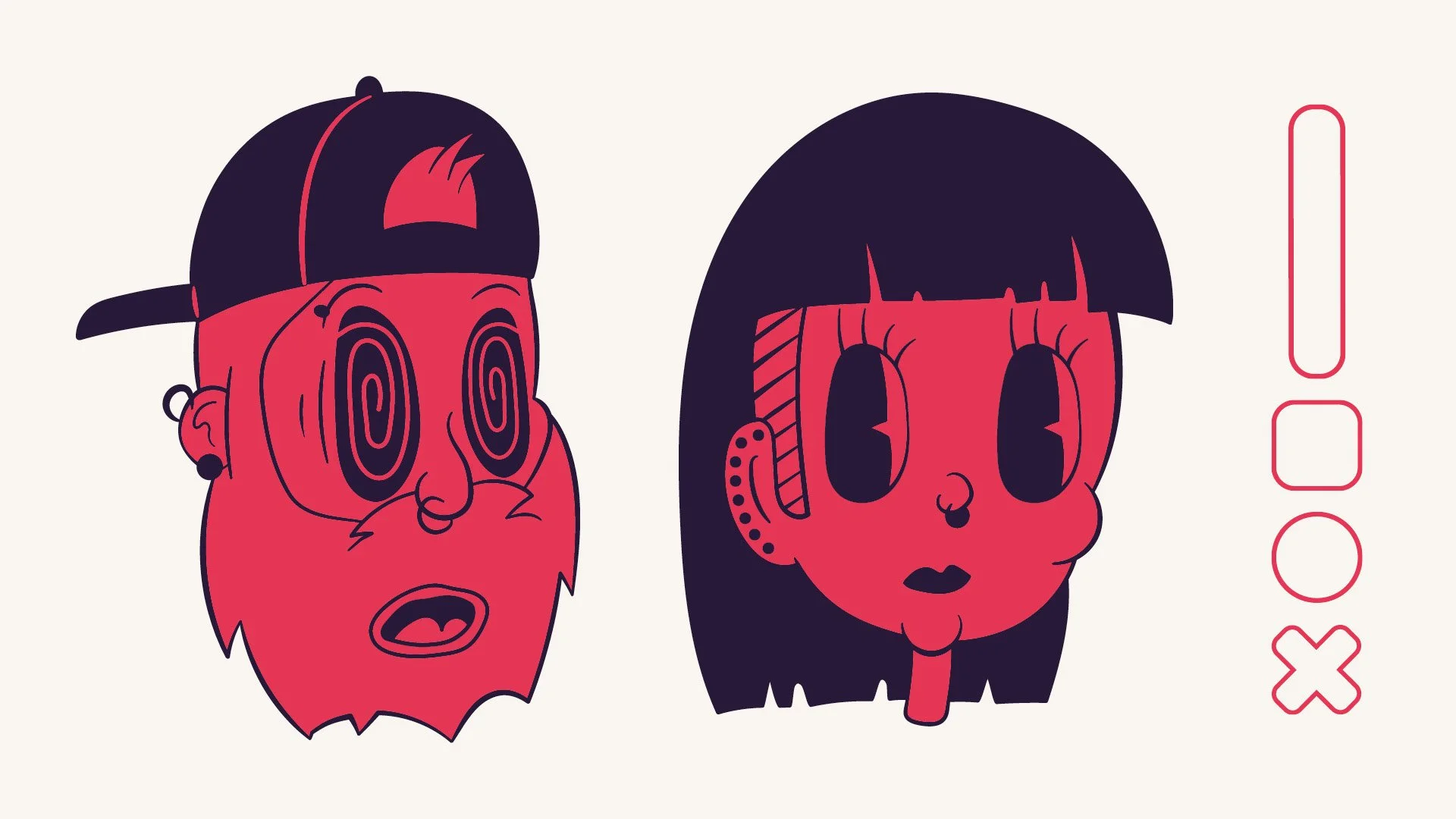
4. Brand Elements
A strong identity needs assets beyond the logo.
These might include illustrations, icons, characters, shapes, textures or other distinctive graphic devices.
They give us more ways to express the brand without relying on the logo every time, and make the overall style much more distinctive.
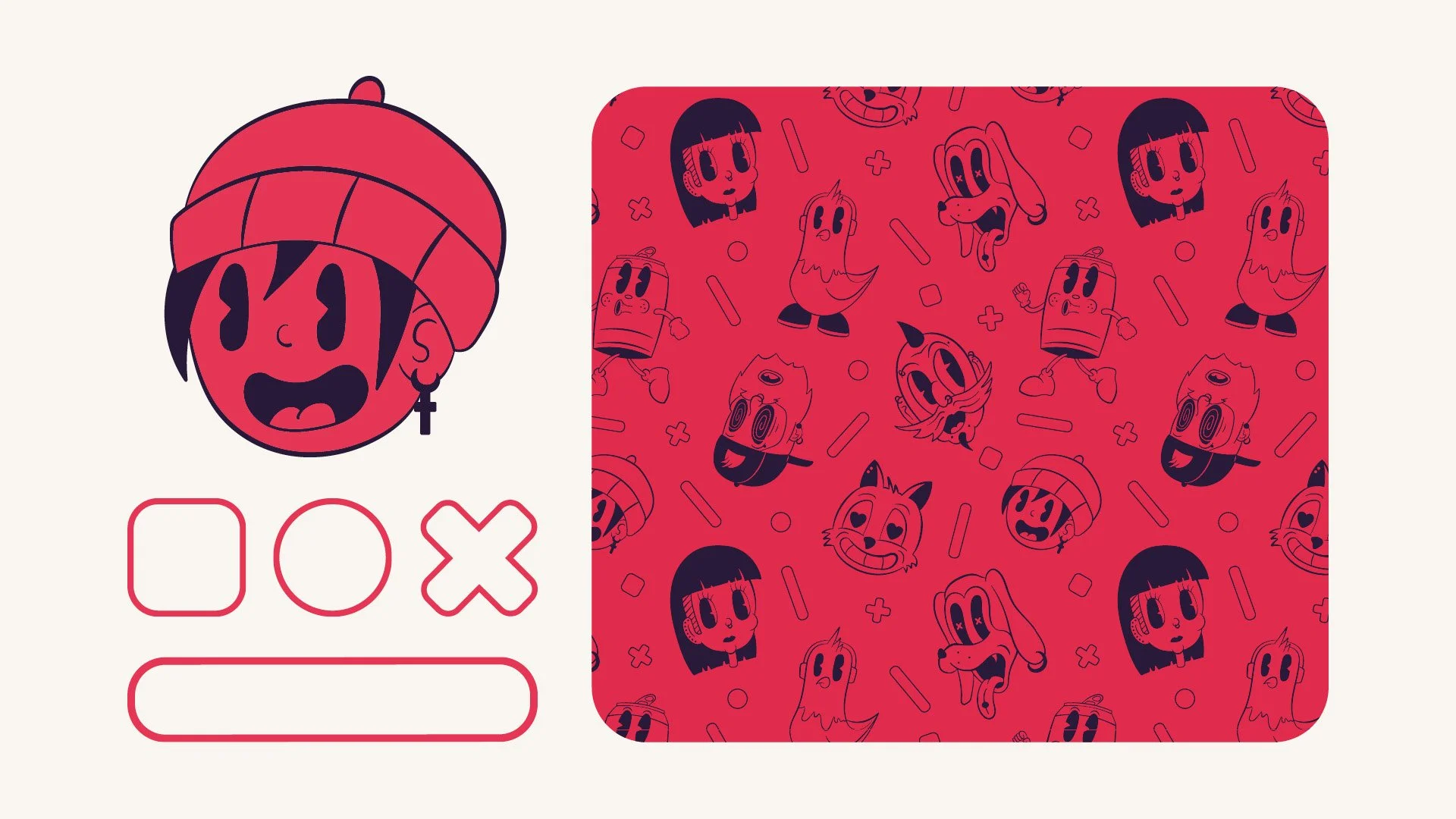
5. Graphic Language
Once you have those individual brand elements, the next step is turning them into a system.
One illustration on its own is simply an illustration.
But when there are rules around how illustrations are coloured, cropped, repeated, combined and used alongside other elements, they begin to create a recognisable visual world.
Patterns, layouts, shapes and recurring design treatments all help make different pieces of communication feel connected.
Individual elements become a system.

6. Photography
Photography should feel like it belongs to your brand too.
The people, locations, lighting, colours, composition and overall mood of your images all contribute to how the business is perceived.
And this is a useful test for any business:
If you removed your logo from your photography, would the images still feel like your brand?
That’s what good art direction helps achieve.
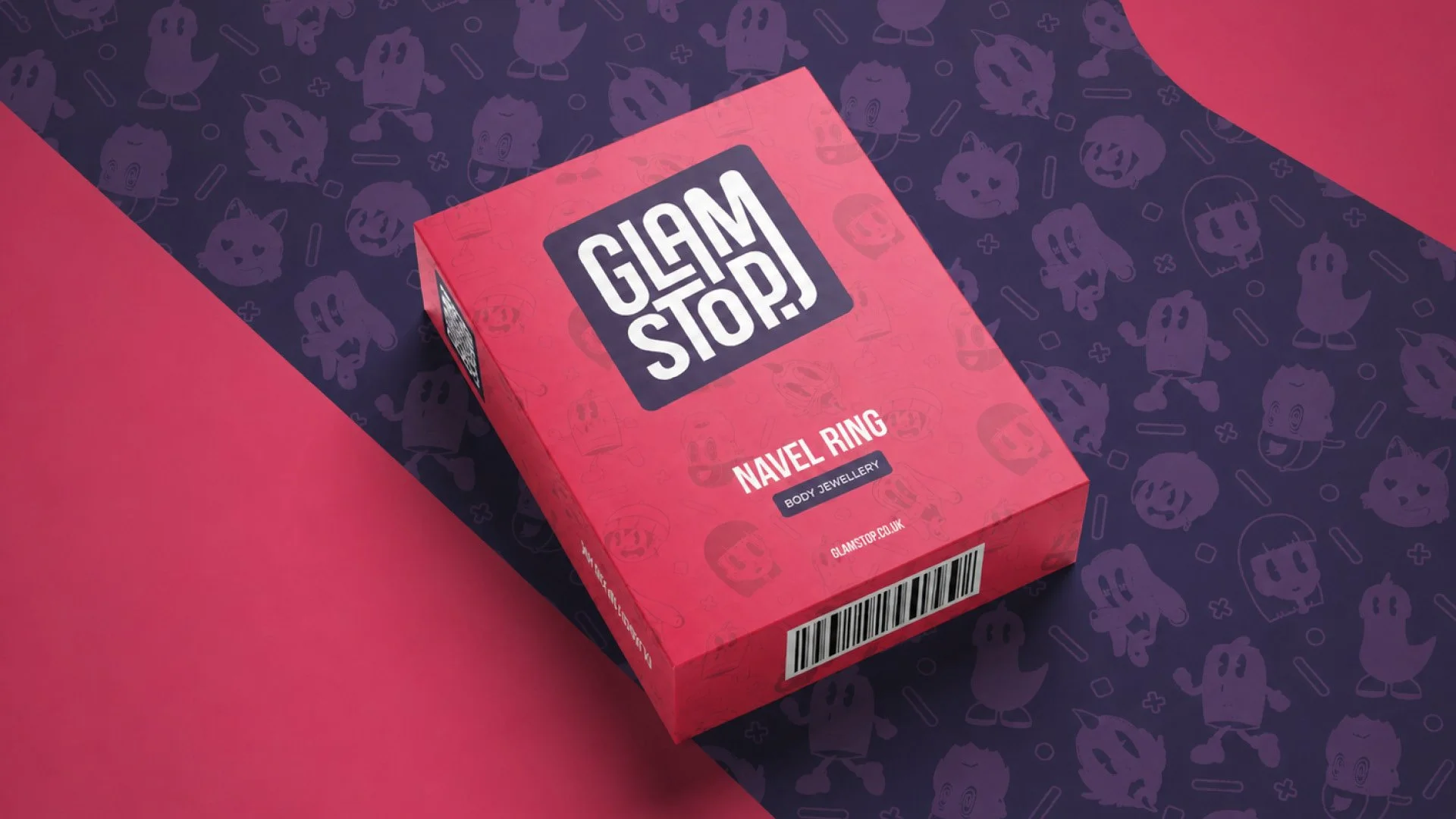
7. Application
A visual identity really starts earning its keep when all of these ingredients work together.
Logo.
Colour.
Typography.
Photography.
Patterns.
Graphic elements.
The same system should be flexible enough to work across a website, social media, packaging, signage, advertising, print and anything else the business needs.
The layouts may change, but the underlying ingredients remain familiar.
Same ingredients. Different applications.
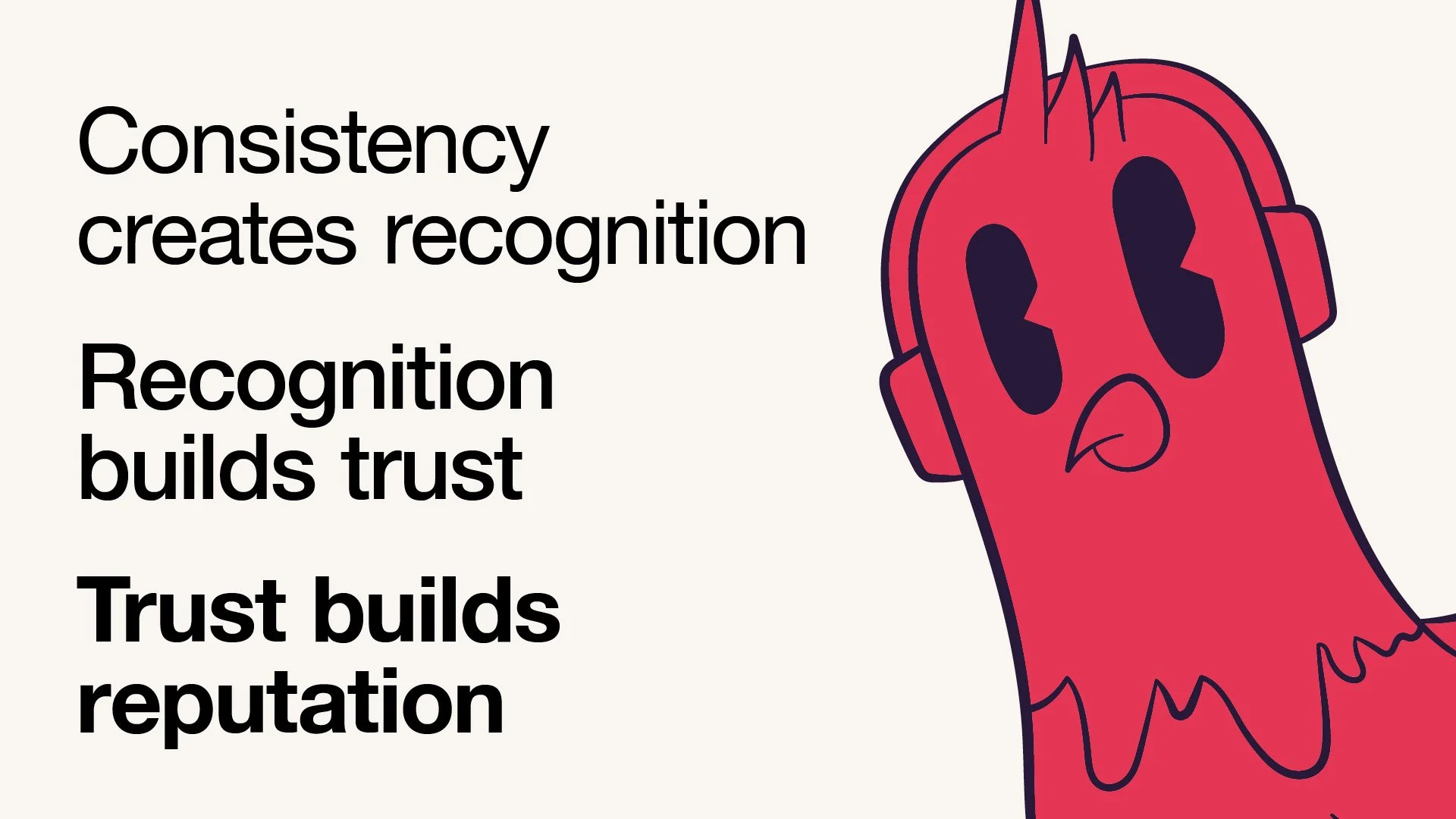
Consistency Creates Recognition
The goal isn’t to make every piece of marketing look identical.
It’s to make everything feel like it belongs to the same brand.
When your colours, typography, imagery and graphic style appear consistently, people begin to recognise you more easily.
That recognition builds familiarity.
Familiarity helps build trust.
And over time, that trust contributes to your reputation; what people think and feel when they encounter your business.
Do You Have a Visual Identity… or Just a Logo?
Take a look at your own branding.
If you removed your logo, would your customers still recognise you?
Would your colours give you away? Your photography? Your typography? Your graphic style?
If everything that makes your business recognisable disappears as soon as the logo does, you may have a logo, but you might not yet have a complete visual identity.
A strong identity gives your brand a distinctive look and feel wherever it appears.
Your logo is important. But it’s only the start.
Visual Identity FAQs
What is a visual identity?
A visual identity is the collection of visual elements that make a brand recognisable. This can include your logo, colours, typography, photography, illustrations, patterns, graphic elements and the way they are applied across your marketing.
Is a logo the same as a visual identity?
No. A logo is one part of a visual identity. Your visual identity is the wider system that determines how your brand looks and feels wherever people encounter it.
What does a visual identity include?
A visual identity typically includes a logo system, colour palette, typography, photography style, brand elements, graphic language, layout principles and examples of how those elements should work together.
Why is visual identity important for a business?
A strong visual identity helps people recognise your business, understand its personality and build familiarity with your brand. Consistent visual communication can help turn recognition into trust over time.
How does visual identity affect brand perception?
Every colour, font, photograph and graphic choice influences how your business is perceived. Your visual identity can make a brand feel premium, playful, established, modern, approachable, bold or something completely different.
What is the difference between visual identity and branding?
Visual identity is the visual expression of your brand. Branding is broader and can also include your positioning, values, personality, messaging, tone of voice and the overall experience people have with your business.
What are brand guidelines?
Brand guidelines are the rules that explain how your identity should be used consistently. They can cover logo usage, colours, typography, imagery, graphic elements, layouts, tone of voice and examples of the brand in application.
Do small businesses need a full visual identity?
A visual identity can be valuable for businesses of any size. Even a relatively simple system of consistent colours, typography, imagery and graphic elements can make a small business look more considered and recognisable.
How do I know if my business needs a stronger visual identity?
A useful test is to remove your logo from your marketing. If your website, social posts, advertising and imagery no longer feel recognisably yours, your wider visual identity may need more development.
What makes a visual identity successful?
A successful visual identity is distinctive, appropriate for the audience and flexible enough to work across different applications. Most importantly, its individual elements should work together consistently to create a recognisable brand.
Can a visual identity evolve over time?
Yes. A visual identity should be consistent, but it does not have to remain unchanged forever. As a business grows or changes direction, its visual language can evolve while retaining enough recognisable elements to maintain continuity.
Do I need brand guidelines once my visual identity is created?
Ideally, yes. The visual identity gives you the ingredients; the brand guidelines explain how to use them. This helps employees, designers, marketers and external partners keep the brand consistent as it grows.
NEED OUR HELP?
Whether it's Branding, Design, Websites, Photography, Video, Print or Social Media, we can help you make an impact.